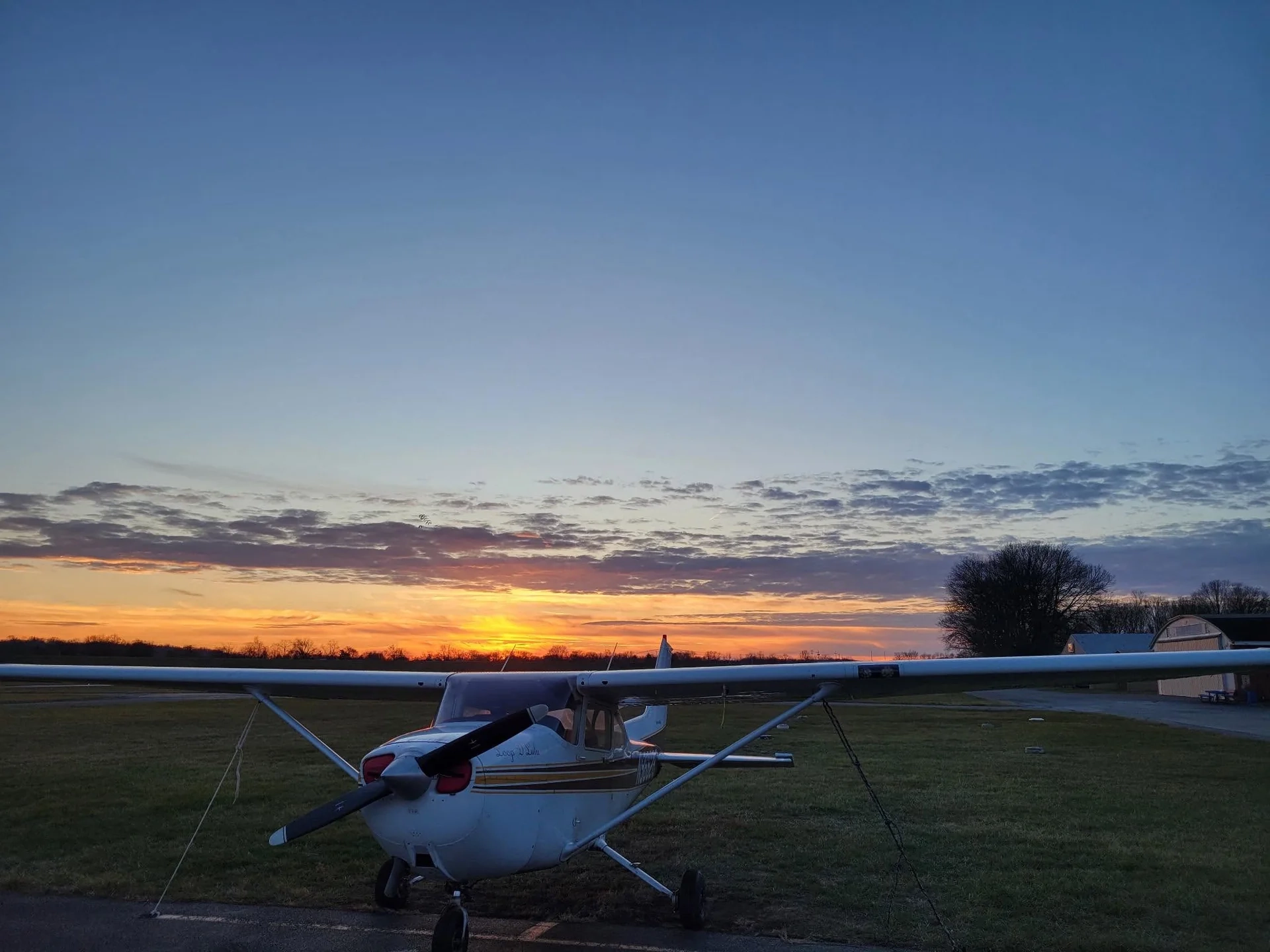
How It Works
From your first question to a professional pilot career, every step has a purpose and every milestone is clear. Start the way that suits you, and we build the plan around your schedule.
Your Way In
Start Flight Training Your Way
Starting something new can feel like a big leap, so we let you choose the door. Some people book a flight first, and others would rather call, send an email, or talk with an instructor before they decide. Every one of those works.
- 1
Pick Your Starting Point
Book a Discovery Flight, call us, send an email, or fill out the form. A discovery flight is a real lesson with an instructor, you do not need any experience, and your first flight counts as lesson one in your logbook.
- 2
Talk With an Instructor
Tell us what you want from flying and when you are free to train. We match you with an instructor and shape a plan around your evenings, weekends, and work schedule.
- 3
Enroll and Start Your Plan
When you are ready, finish enrolling and begin training under Part 61, the FAA rules that let your training fit your schedule. You fly with your instructor one on one, and each lesson builds on the last.
What You Need to Begin
Eligibility depends on the certificate. To earn a Private Pilot certificate you must be at least 17, read, speak, and understand English, and meet the medical rules. Most airplane students need a medical certificate before their first solo, so talk with an Aviation Medical Examiner early if you have any questions.
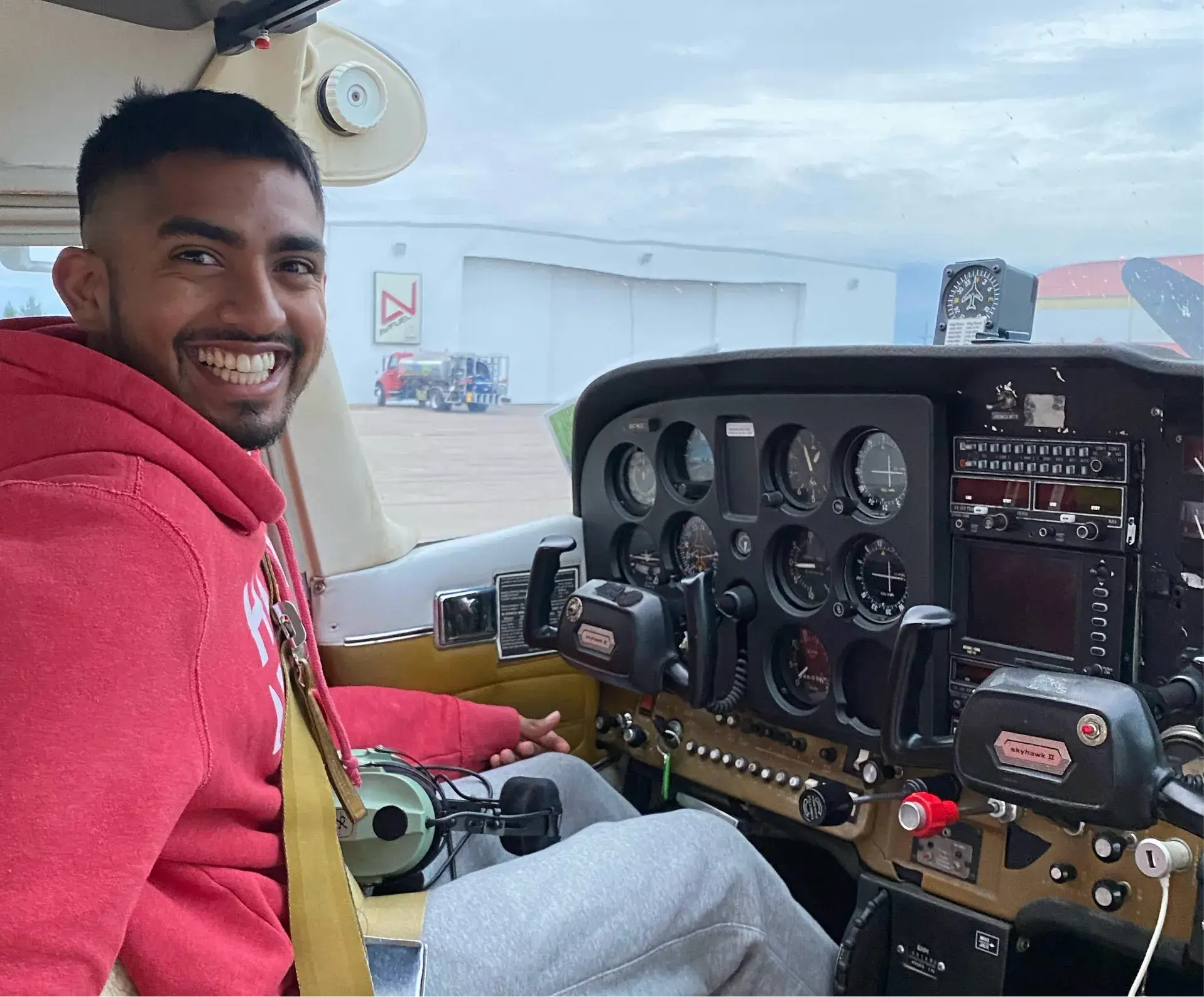
Your First Certificate
Build a Strong Foundation
Every pilot career begins with a first certificate and a rating or two. The FAA sets minimum hours for each one, and most students fly more than the minimum, so your instructor paces you by what you can do and not by the clock.
Sport Pilot
A focused path to recreational flying in light sport aircraft. The FAA minimum is 20 hours, and some students may use a driver's license in place of a medical when FAA rules allow.
Private Pilot
The certificate most pilots start with. You learn to fly safely, plan trips, and carry passengers. The FAA minimum is 40 hours, and most students need more.
Instrument Rating
A rating you add to your private certificate to fly by reference to your instruments. It opens up flying in clouds and low visibility, and it is a key step toward a career.
Where It Can Lead
Grow Toward a Pilot Career
Once your foundation is solid, each new certificate stacks on the one before it. You add privileges, build flight time, and move closer to flying for pay. There is no fixed timeline, because your pace depends on how often you fly, the weather, and how you learn.
- Commercial Pilot Certificate. Lets you fly for pay in certain kinds of operations. You must be 18 and hold a private certificate, and many airplane applicants need 250 hours of total flight time.
- Certified Flight Instructor. Teaches you to brief, demonstrate, and coach from the right seat. You need a commercial certificate and an instrument rating, and instructing is a common way to build flight time.
- Complex Endorsement. Prepares you to fly airplanes with retractable gear, flaps, and a controllable-pitch propeller. It is a short course that often fits into commercial training.
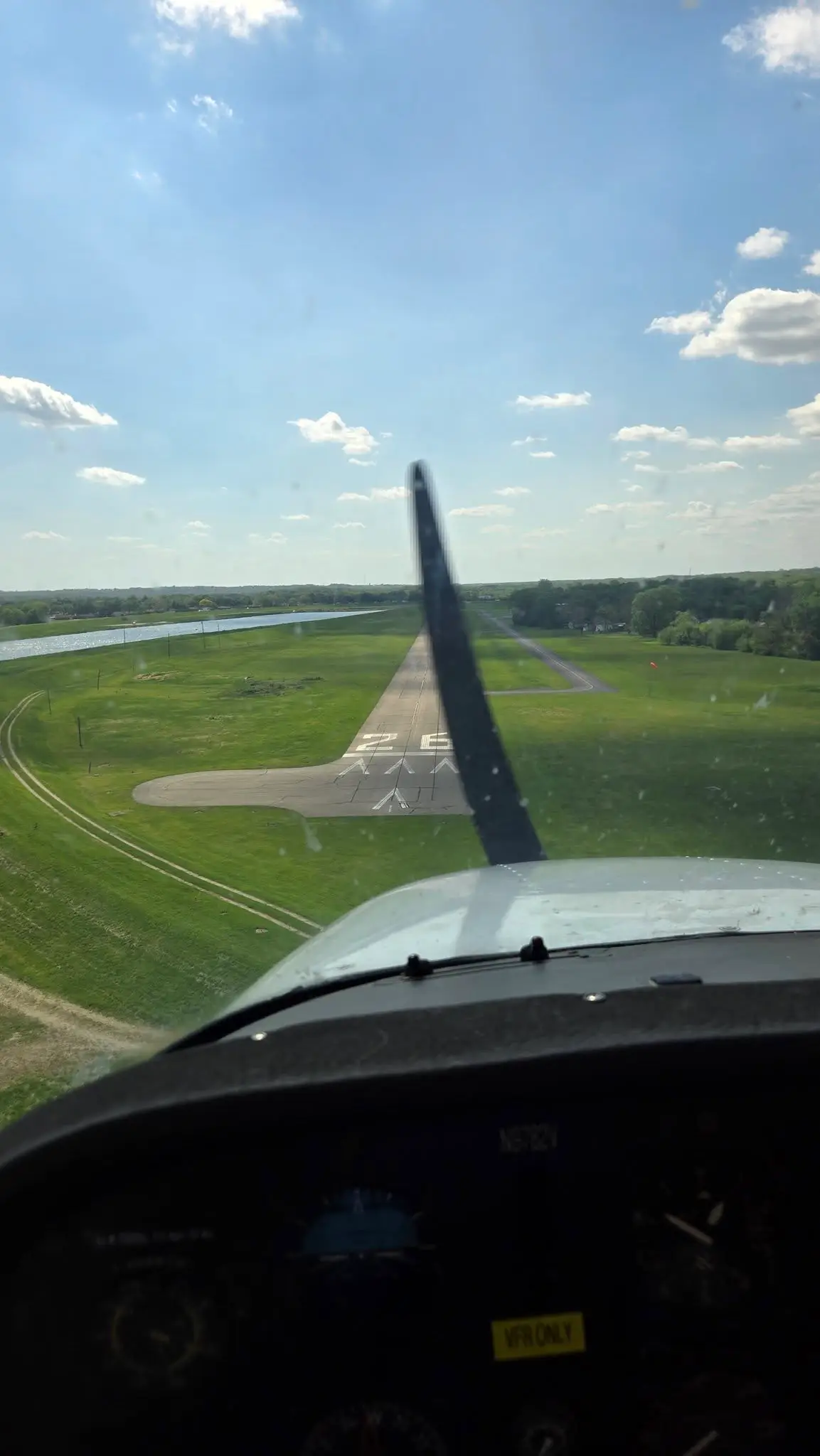
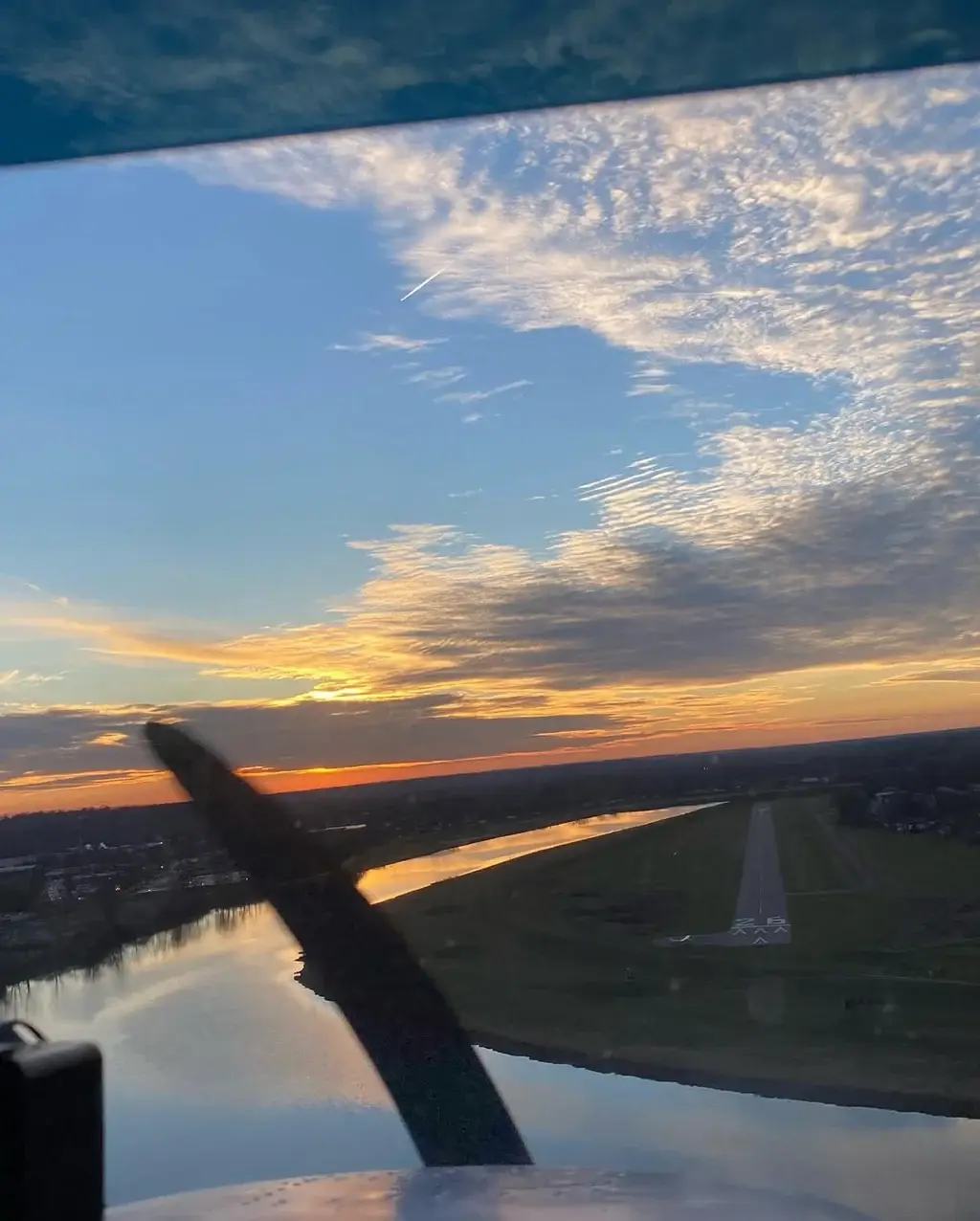
Pay as You Train
Training That Fits Your Budget
There are no monthly dues here. You pay as you train, so your spending follows the lessons you fly, and you can take one step at a time.
Your total cost depends on your pace, the weather, and how you learn. Ask us for a plan and pricing for the certificate you want, and we will map the steps with you.
Clear Your Doubts
Questions Students Ask Before They Start
Do I need any experience to start?
What do I need before I can start?
Can I train while I work full time?
Do I have to commit to a full career path?
How much will it cost?
How long does it take?
Got any more questions? Contact us and we will be happy to answer.
Enroll
Begin Training at Dayton Aviation
Fill out this form and we will get back to you shortly.
Contact Information
Dayton Aviation Services
Location
3800 Clearview Rd, Dayton, OH 45439Phone
(937) 401-8476Hours
Hours may differ on holidays.