Your Path to the Airline Flight Deck
Every step from your first flight to the airline cockpit, laid out in order, with the programs we teach at Moraine Airpark for each one.
The Roadmap
How to Become an Airline Pilot
The route from your first lesson to an airline cockpit has clear steps, and each one builds on the one before. The steps run in order, and we train the first four right here at Moraine Airpark. There is no fixed timeline, since your pace depends on how often you fly, the weather, and how you learn. For job demand and pay data, read our pilot career outlook.
Step 1
Earn a Private Pilot Certificate
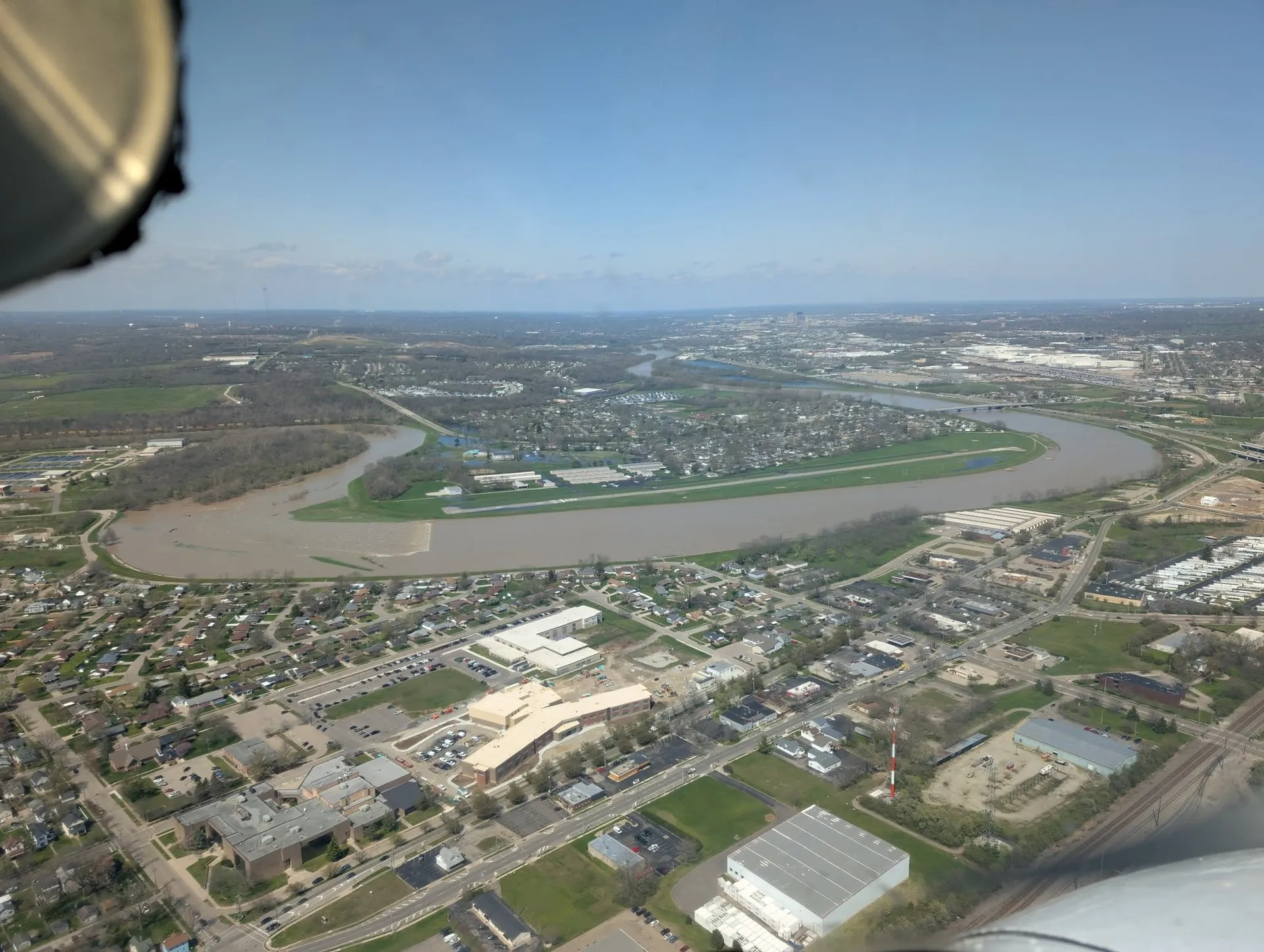
Every pilot starts here. You learn to fly an airplane, talk to air traffic control, and plan a trip, and you finish with a certificate that lets you carry passengers. The FAA sets a 40 hour minimum, and most students fly more than that, so we build your plan around how you learn. Talk to an Aviation Medical Examiner early, because most airplane students need a medical certificate before solo.
Step 2
Add an Instrument Rating
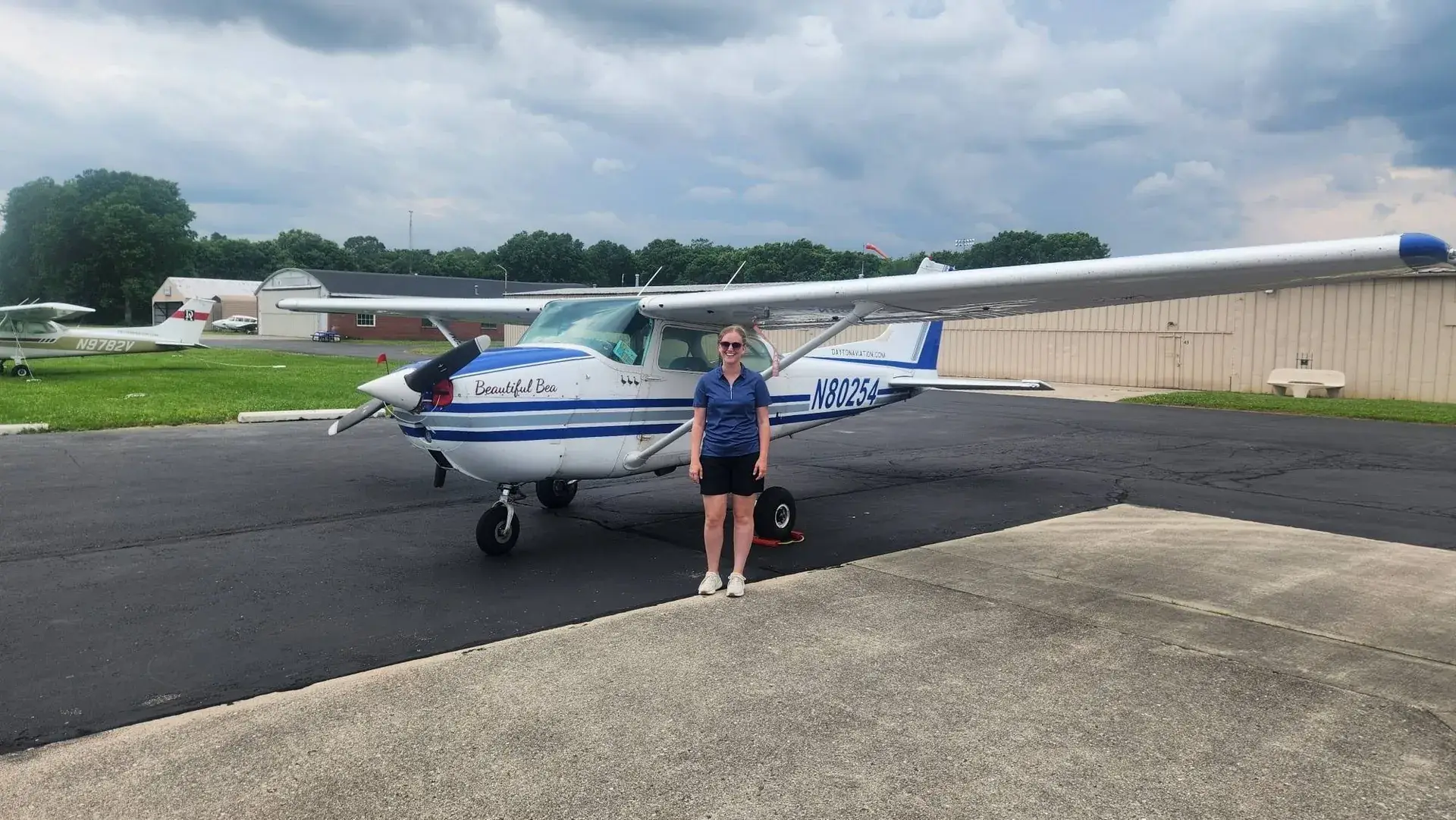
An instrument rating teaches you to fly by your instruments when clouds or low visibility take away the horizon. It is added to your pilot certificate, and it opens up flying in weather you would otherwise wait out. We train it in airplanes equipped for instrument flying.
Step 3
Earn a Commercial Pilot Certificate
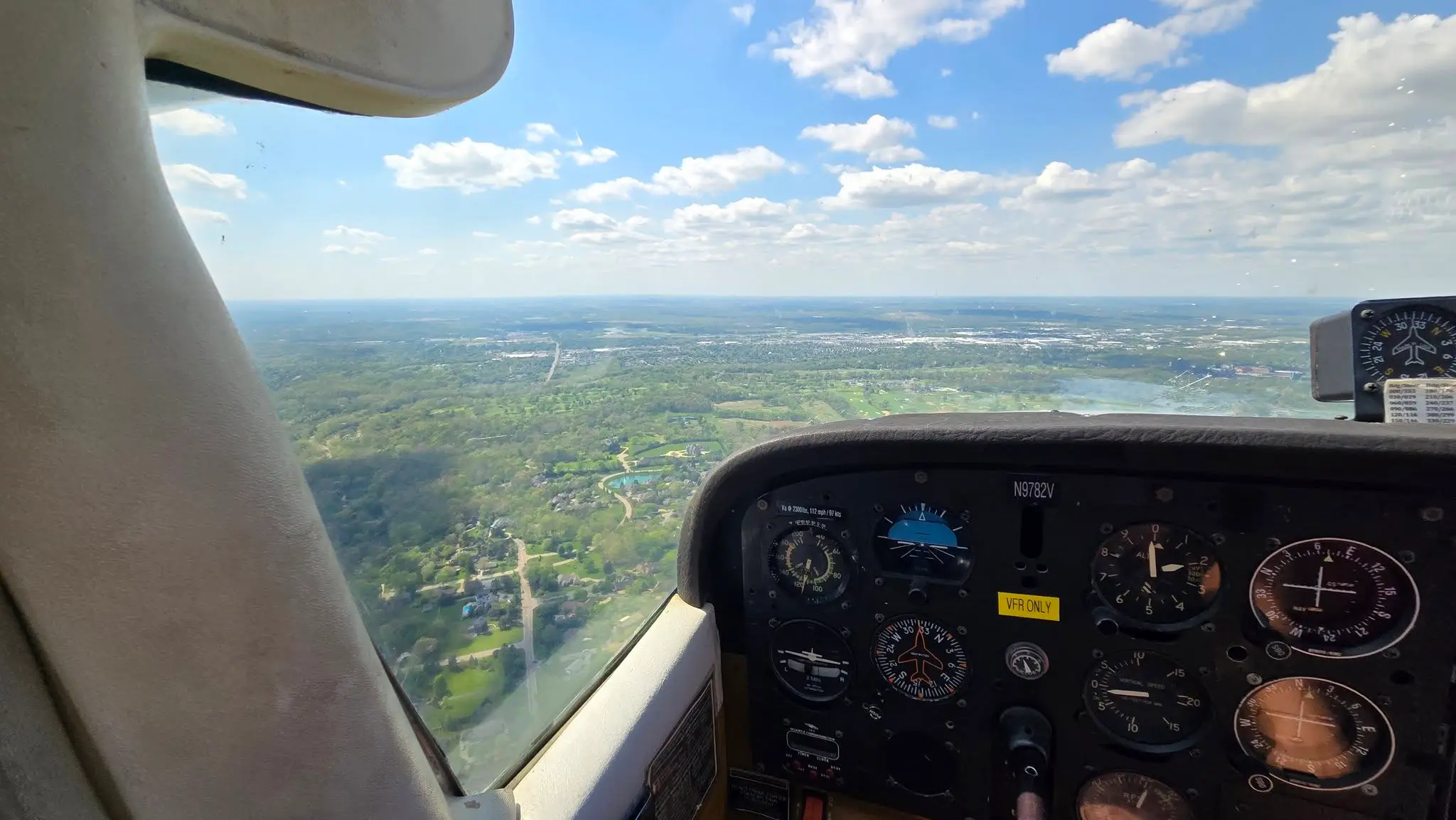
The commercial certificate lets you fly for pay in certain kinds of operations. Many airplane applicants need 250 hours of total flight time, and you fly to a tighter standard than you did for your private certificate. It is a big milestone, and it does not by itself qualify you for every paid flying job.
Step 4
Earn a Flight Instructor Certificate
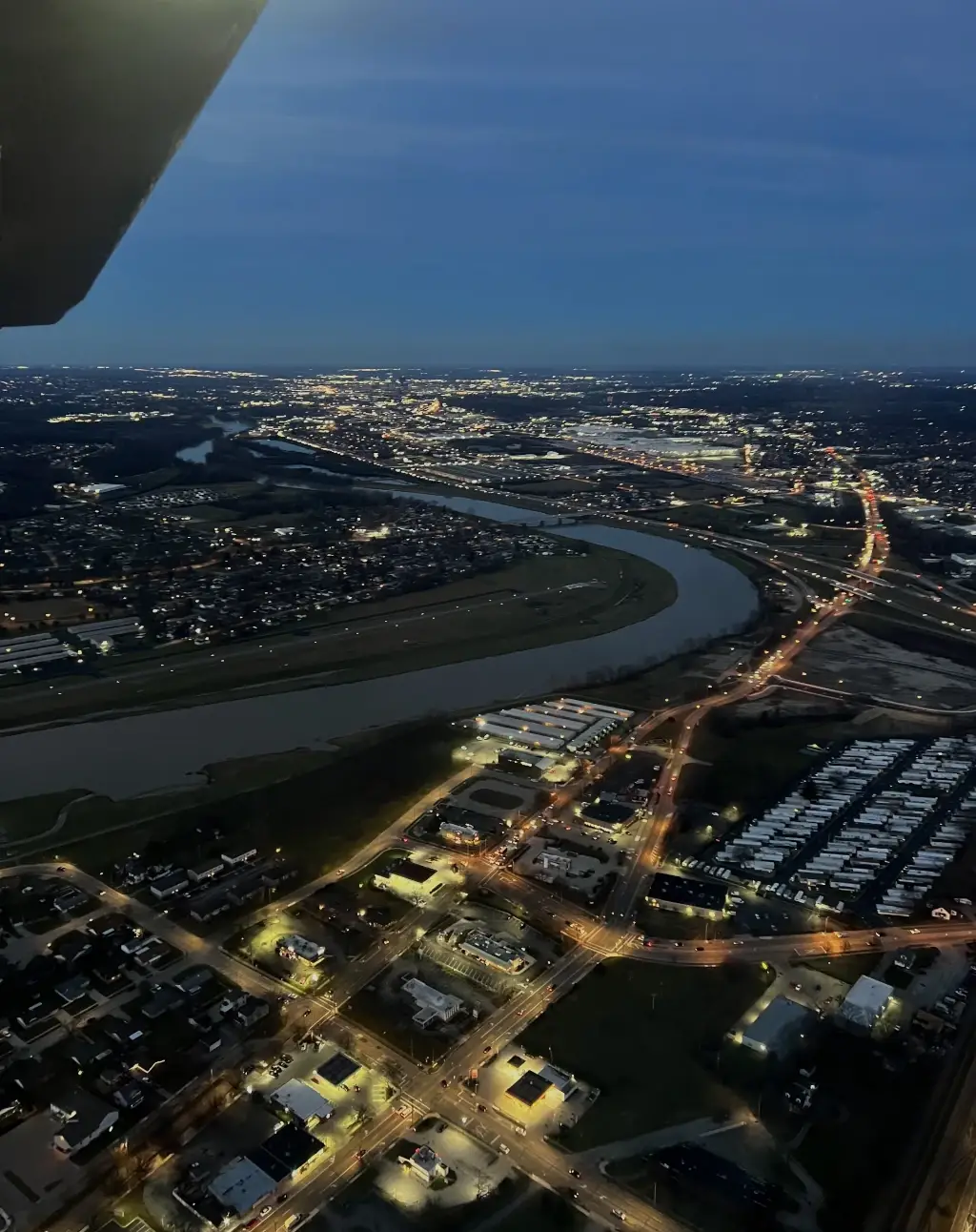
Many career pilots become flight instructors, because teaching is a common way to build flight time. You learn to brief, demonstrate, and coach from the right seat, which also sharpens your own flying. Instructor jobs depend on what a school needs, so nothing about this step is automatic.
Step 5
Add a Multi-Engine Rating
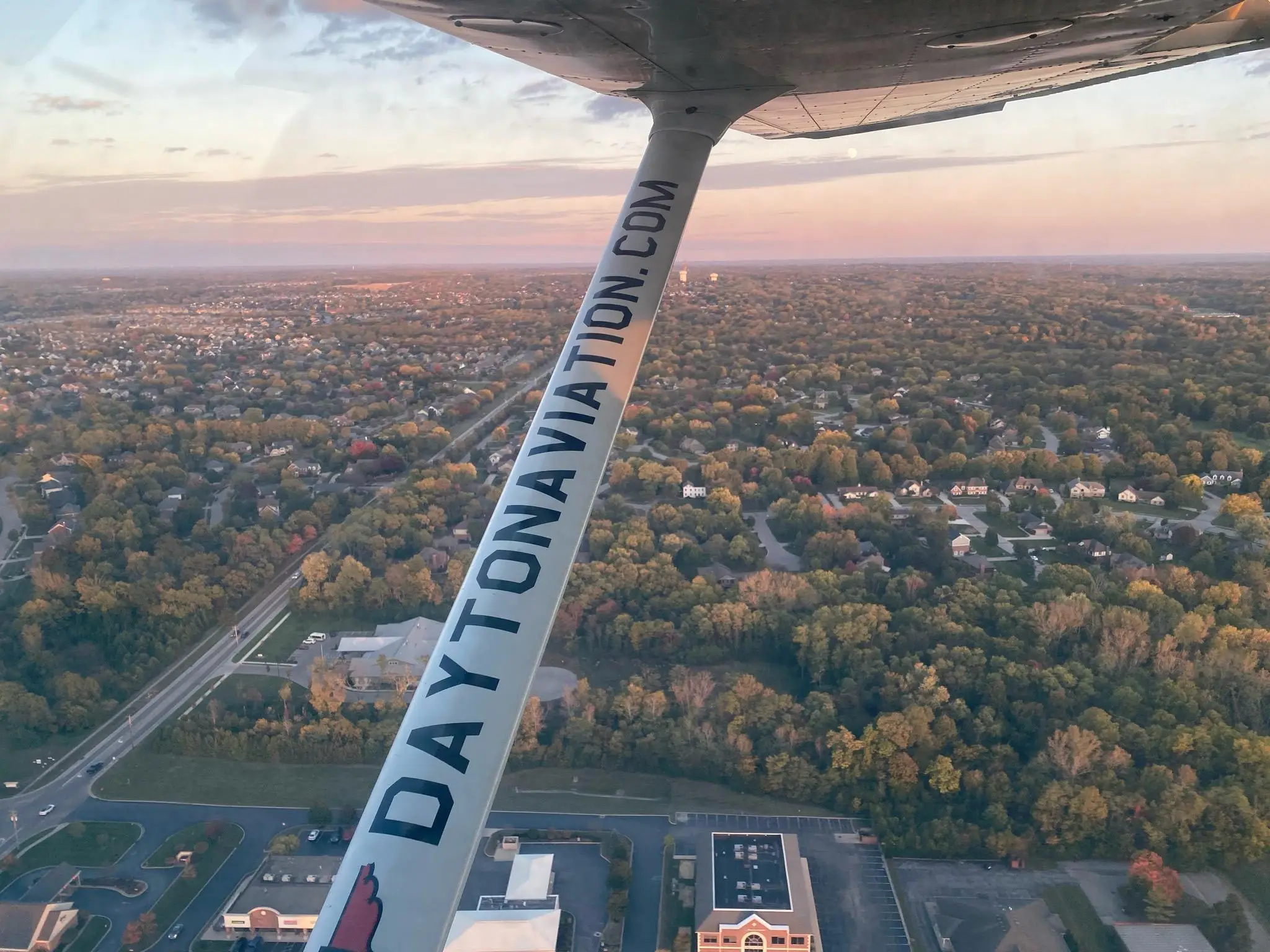
A multi-engine rating adds airplanes with more than one engine to your certificate. You learn how a twin handles, including what to do when one engine stops. Airlines fly multi-engine airplanes, so many career pilots add this rating before they apply.
Step 6
Build Hours and Prepare for Airline Interviews
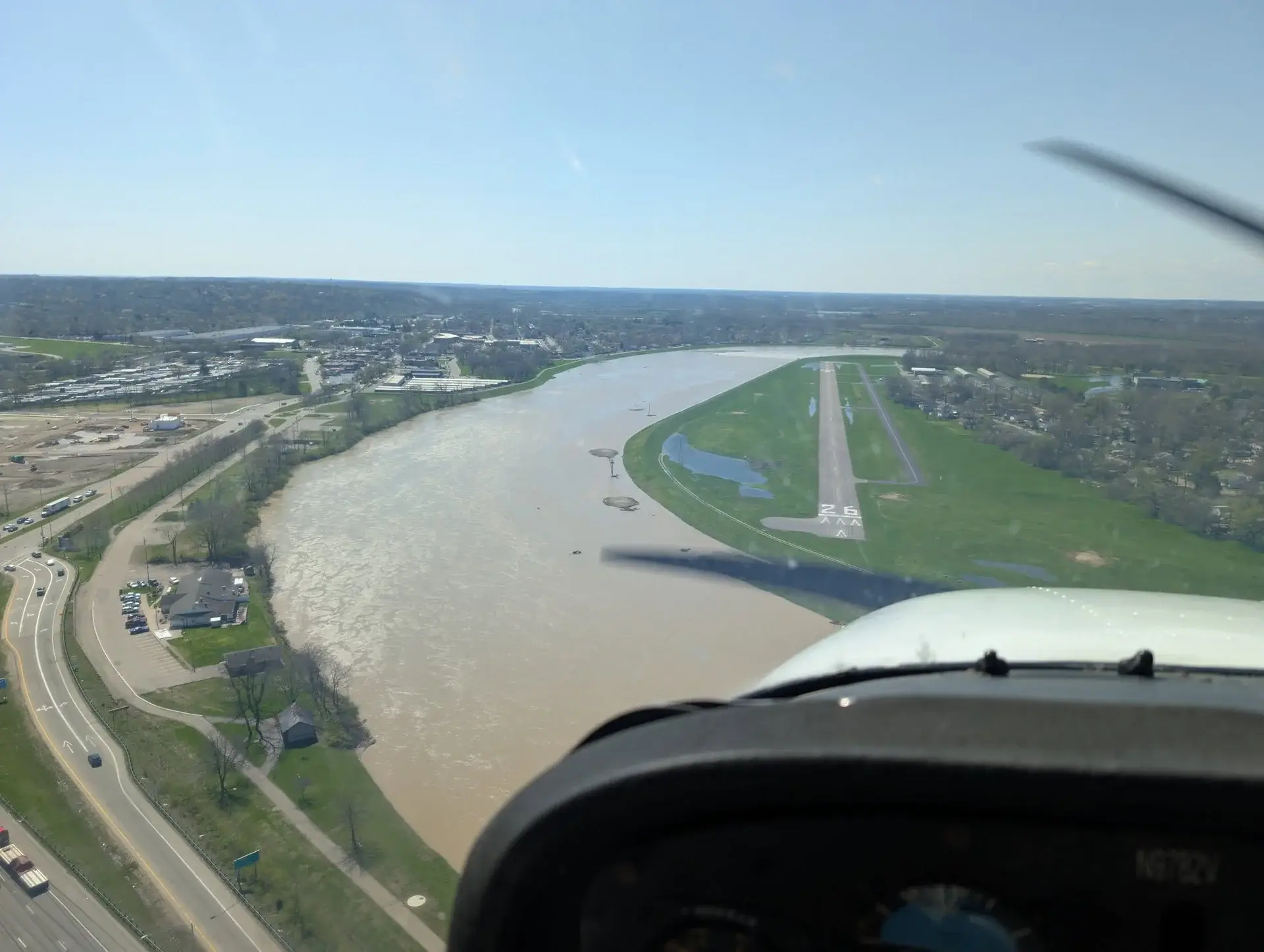
The standard airline transport pilot (ATP) certificate needs 1,500 total hours plus other experience. Some military pilots and graduates of FAA-authorized aviation degree programs qualify for a restricted ATP with fewer hours. Most pilots build time by instructing or flying other jobs, and FAA numbers are minimums, so plan on more.
Step 7
Start the Airline Career
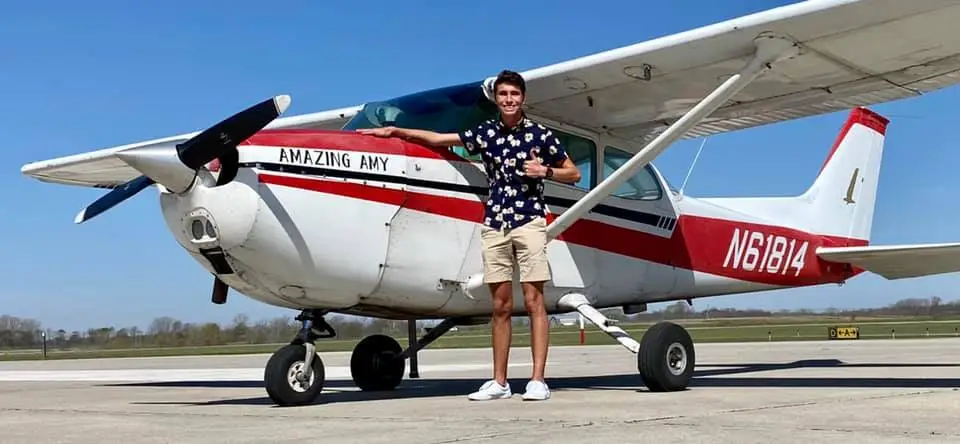
With your ATP in hand, you can apply to the airlines, and many pilots begin as first officers. Airlines set their own hiring standards on top of FAA rules, and airline flying generally calls for a first-class medical. Eligibility and hiring are two separate milestones.
Your First Step
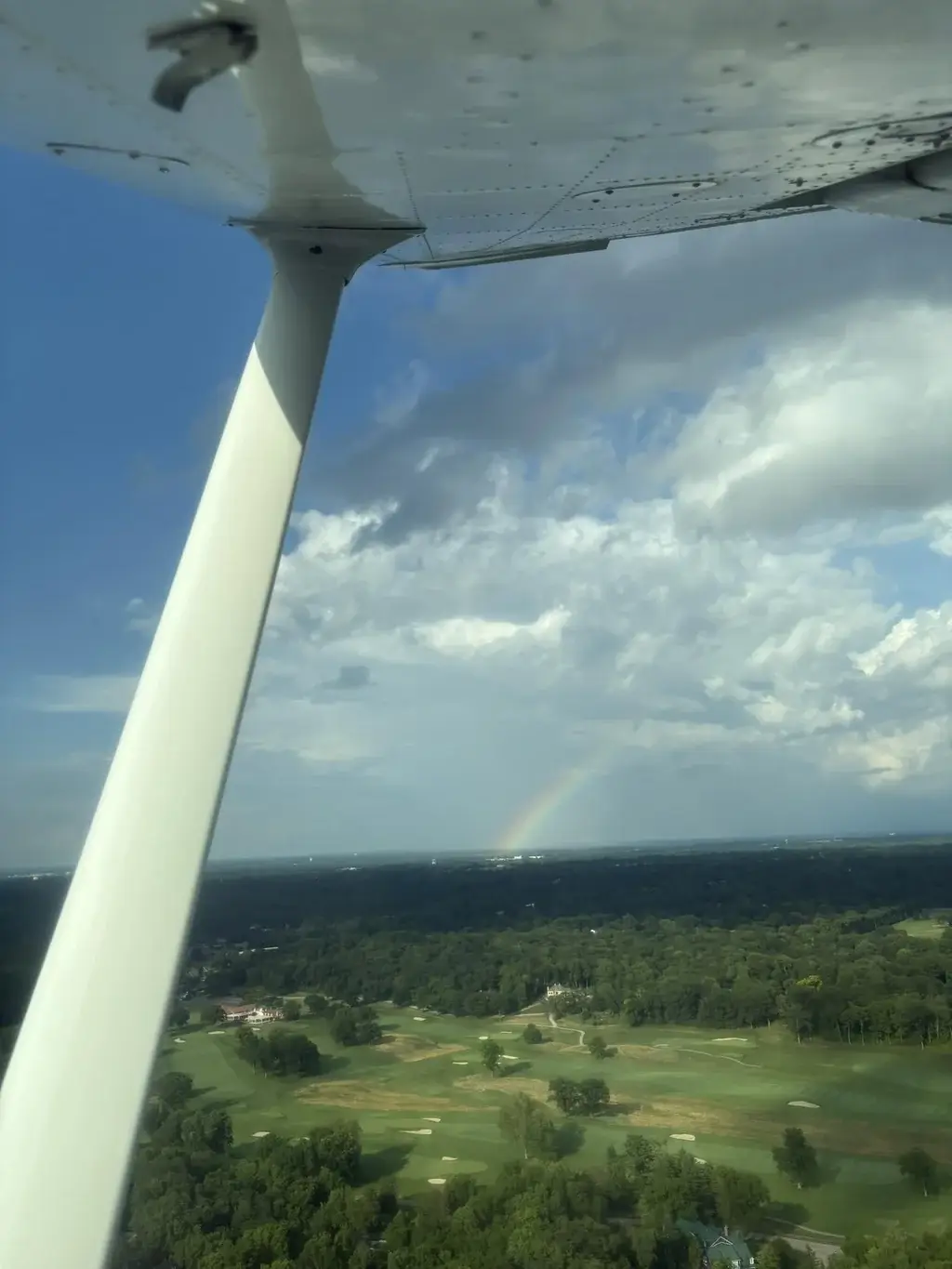
It all starts with your Private Pilot certificate, and your first flight counts as lesson one.
Our Programs
Find Your Next Step in Training
Wherever you are on the roadmap, there is a program for it. Pick the one that matches your goal today, and plan the next one with your instructor when you get there.
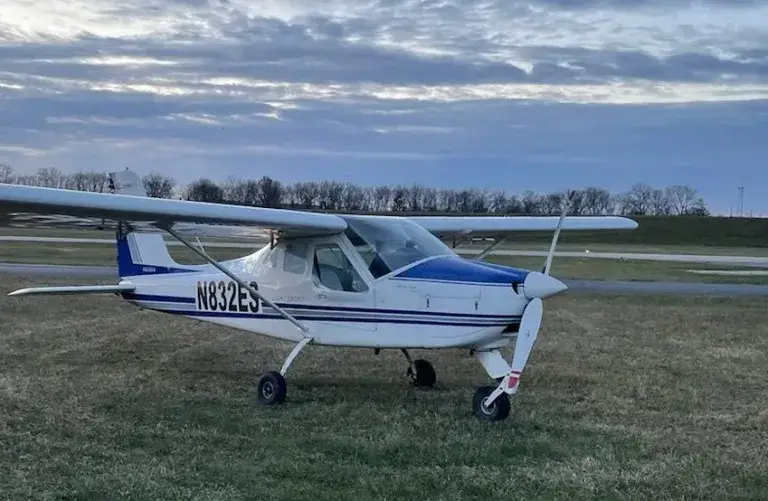
Sport Pilot
The Sport Pilot Certificate gives recreational pilots a focused path for local flying, personal enjoyment, and light-sport aircraft operations. Students stil...
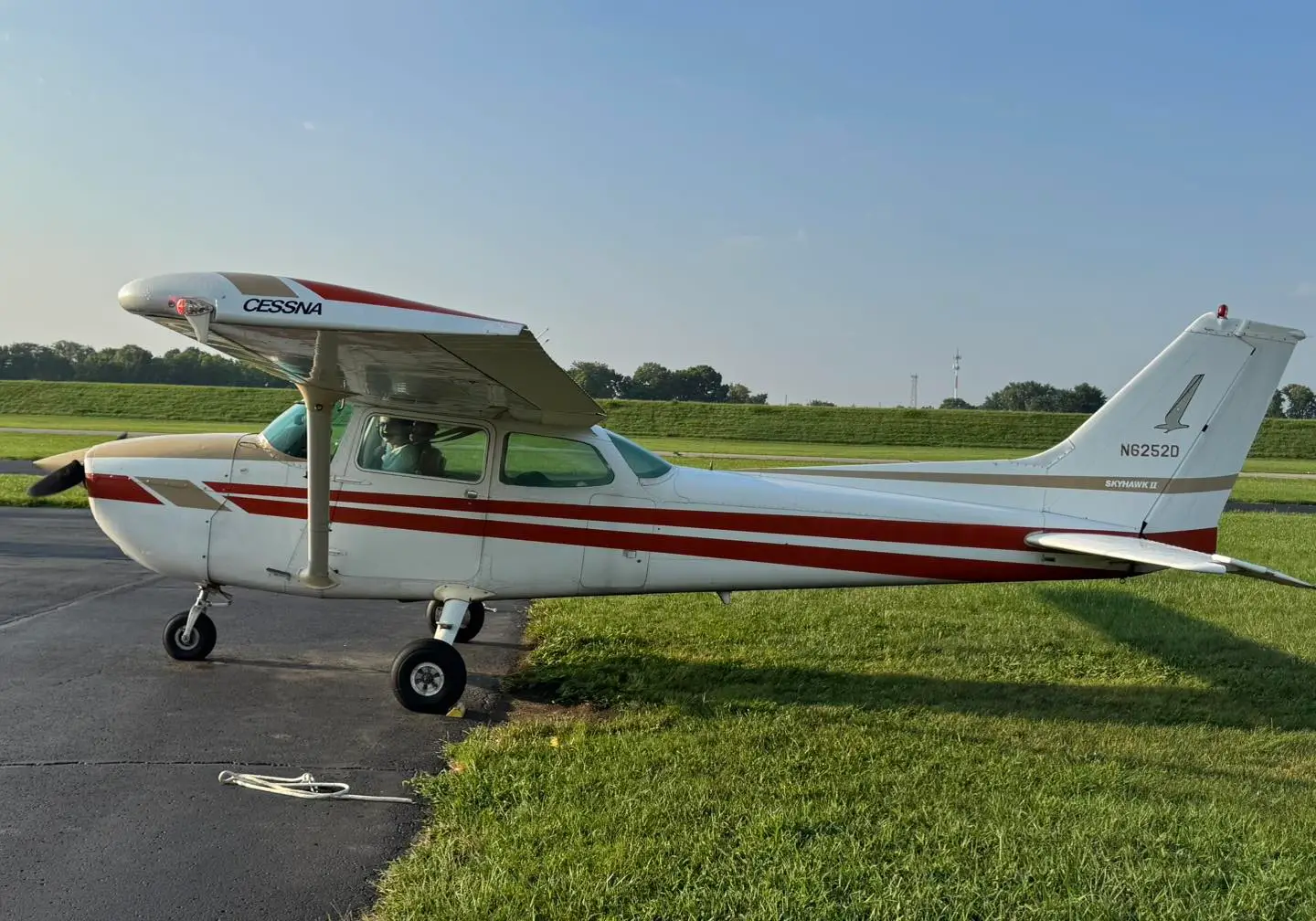
Private Pilot
The Private Pilot Certificate is the first major milestone for many pilots and the foundation for nearly every aviation goal that follows. At Dayton Aviation...
Instrument Rating
The Instrument Rating is one of the most valuable additions a private pilot can earn. It expands what you can safely do with an airplane by teaching you to f...
Commercial Pilot
The Commercial Pilot Certificate is the point where flying becomes a professional privilege. It allows qualified pilots to act as pilot in command for compen...
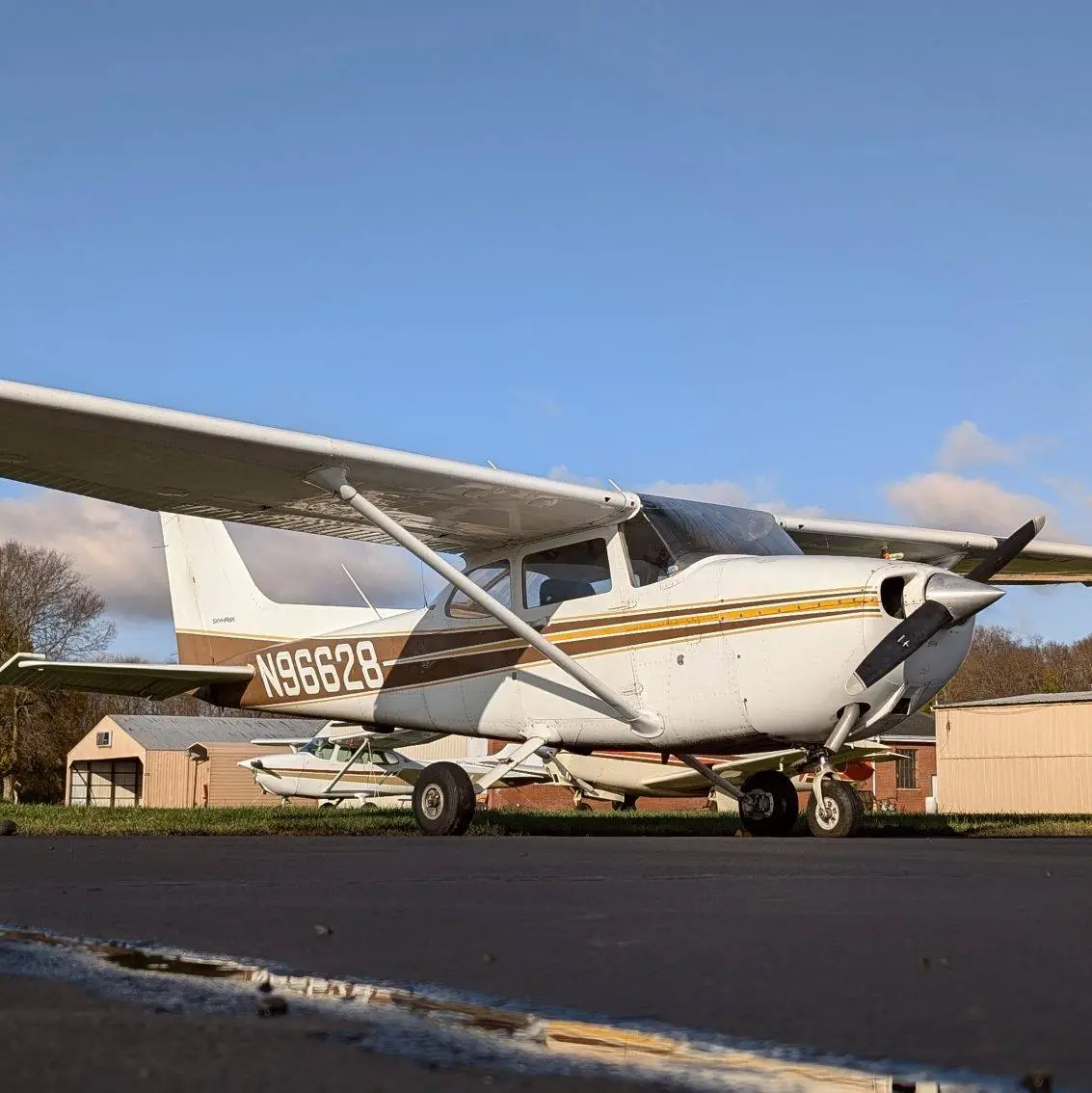
Certified Flight Instructor
Becoming a flight instructor is a major step from flying the airplane to teaching someone else how to think, decide, and fly safely. The FAA flight instructo...
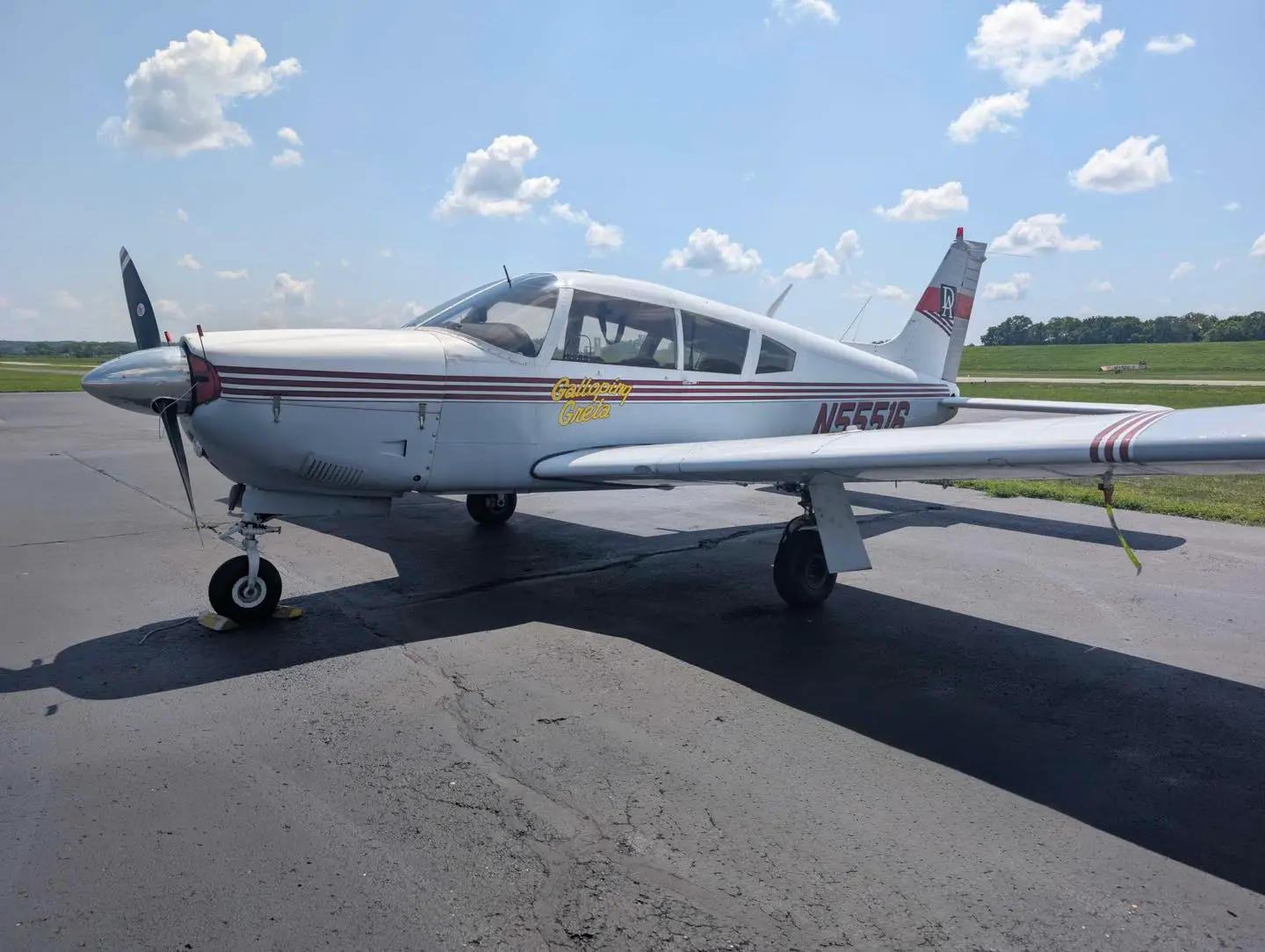
Complex Endorsement
A complex endorsement prepares qualified pilots to act as pilot in command of aircraft equipped with retractable landing gear, flaps, and a controllable-pitc...
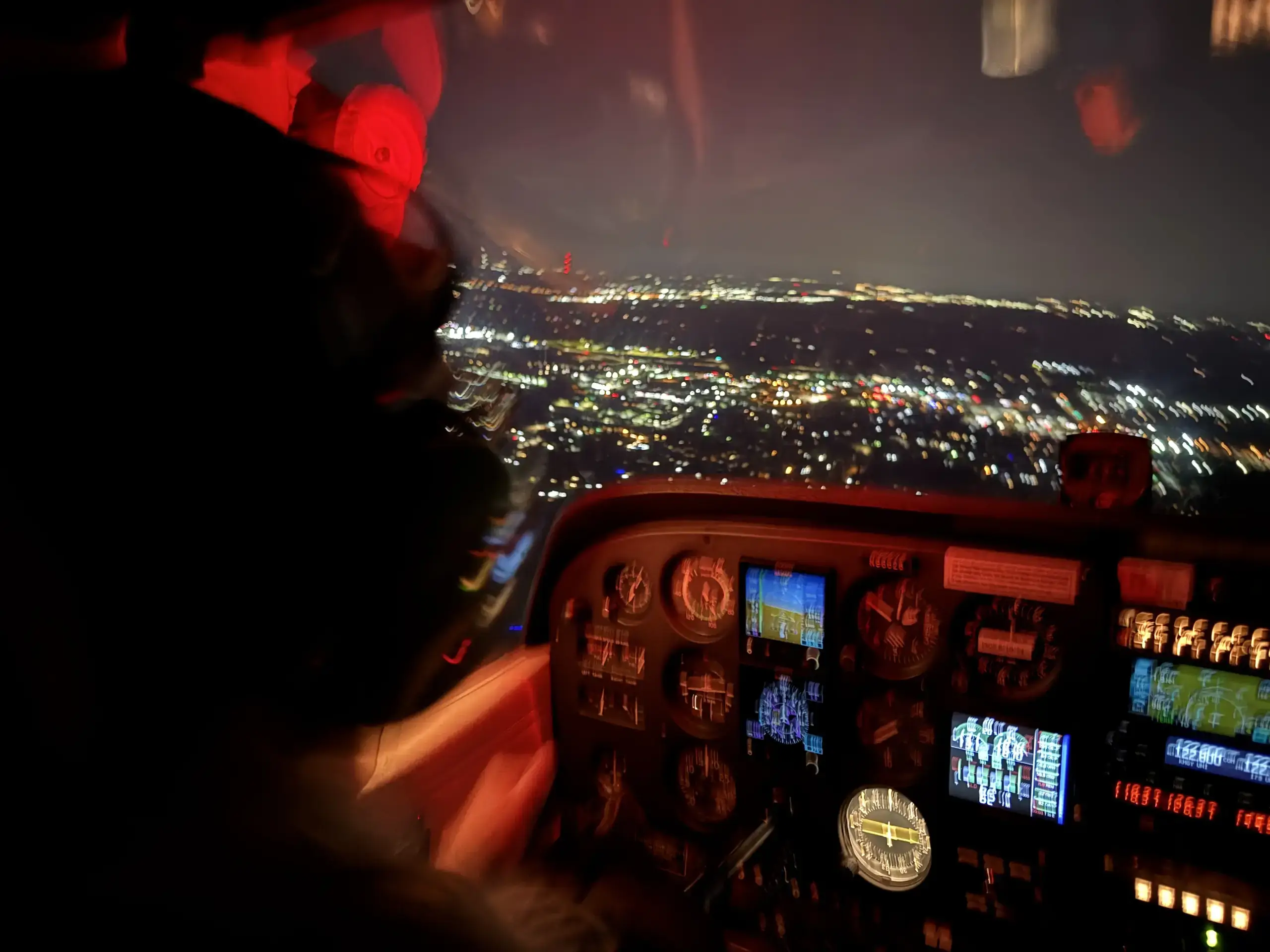
Flight Reviews (BFR)
A flight review is an opportunity to reset proficiency, review current operating rules, and make sure your flying habits still support safe pilot-in-command ...
Instrument Proficiency Checks
An instrument proficiency check helps instrument-rated pilots regain IFR currency when recent instrument experience requirements have lapsed. It is also a us...
Your First Step
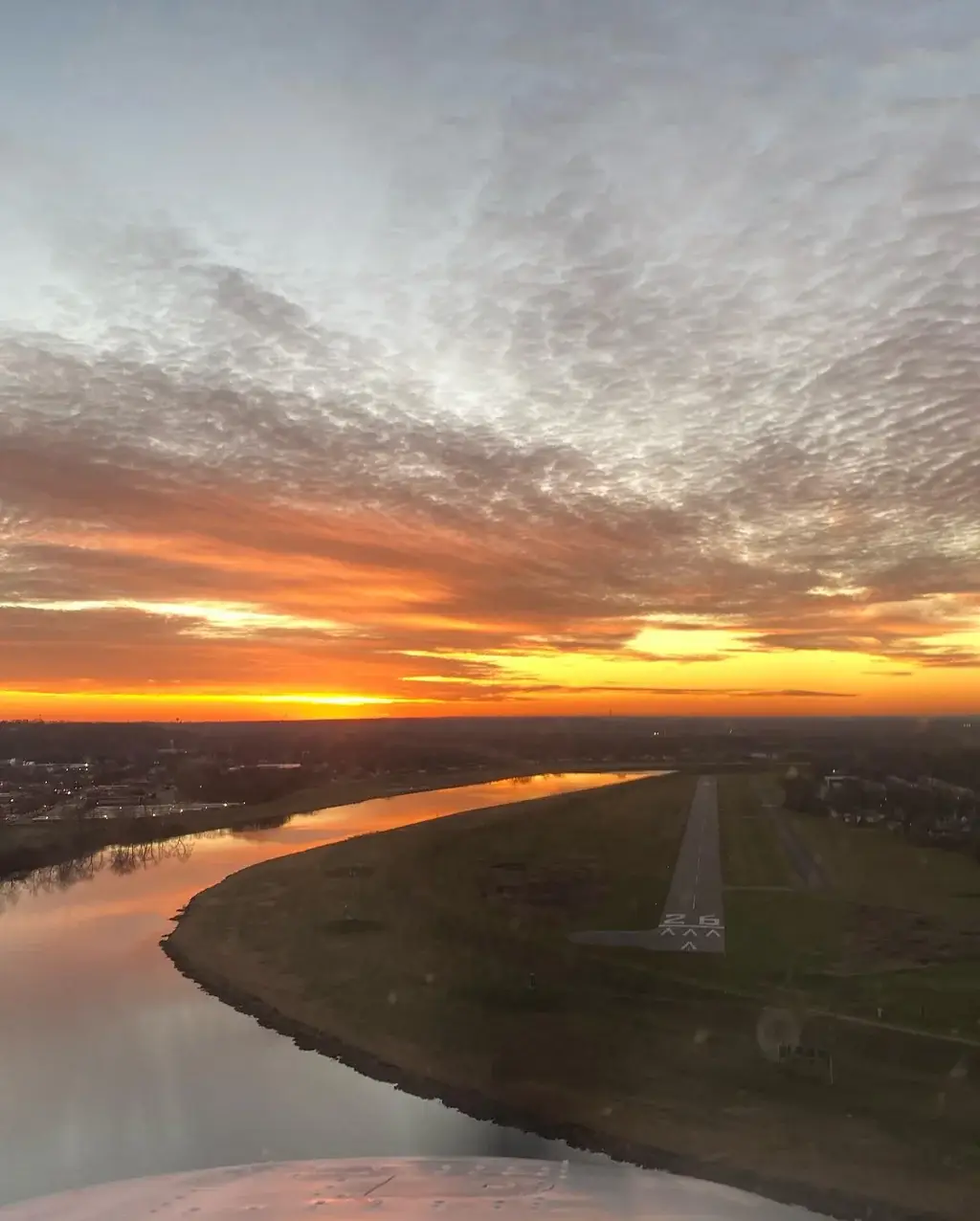
Take the First Step With a Discovery Flight
Book a Discovery Flight at Moraine Airpark, the closest airport to Downtown Dayton. You meet your instructor, walk around the airplane, and fly for about 30 to 40 minutes while we handle the radios, and the time goes in your logbook as your first lesson.
Clear Your Doubts
Questions About the Pilot Career Path
In what order should I earn my certificates and ratings?
How long does it take to go from zero experience to an airline first officer?
How many flight hours do airlines require?
Do I have to become a flight instructor to build hours?
Which medical certificate do I need?
How do I get started at Dayton Aviation Services?
Got any more questions? Contact us and we will be happy to answer.